
Workshop history https://asiamedals.info/threads/ord...adolf-scharfenberg-dresden.29225/#post-368576.
Silver, gold, enamel.
Size 81.9 x 81.8 mm.
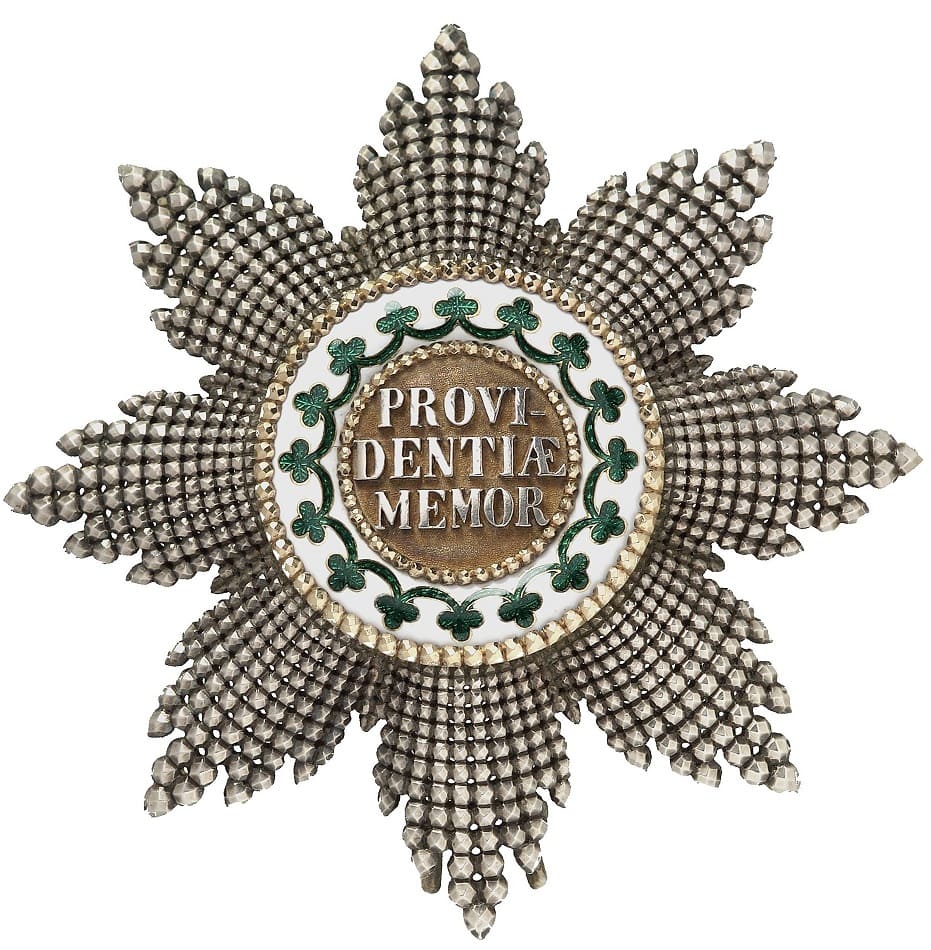
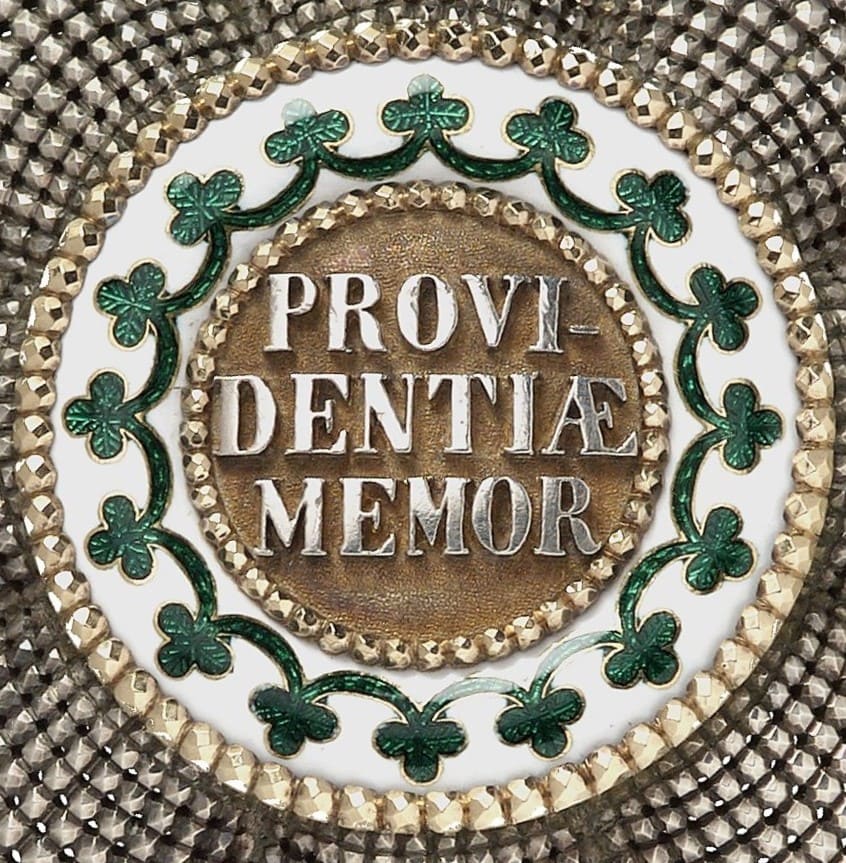
Providentiаe memor = Mindful of Providence.
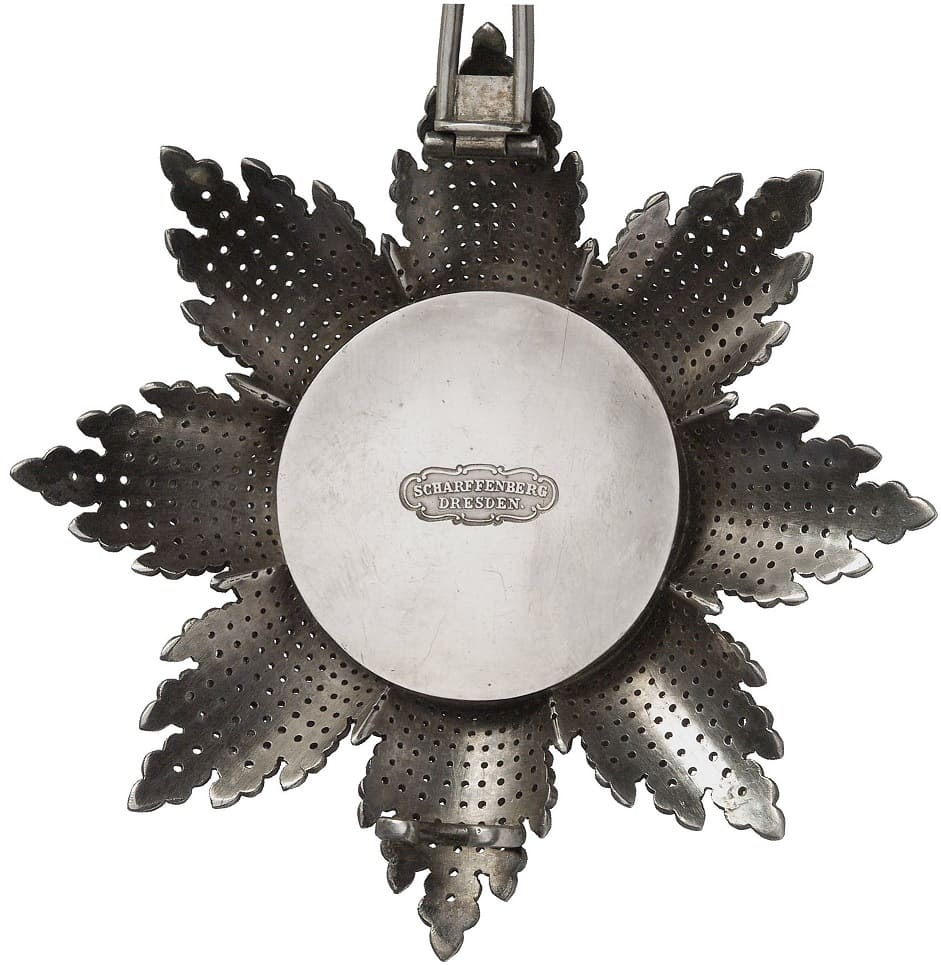
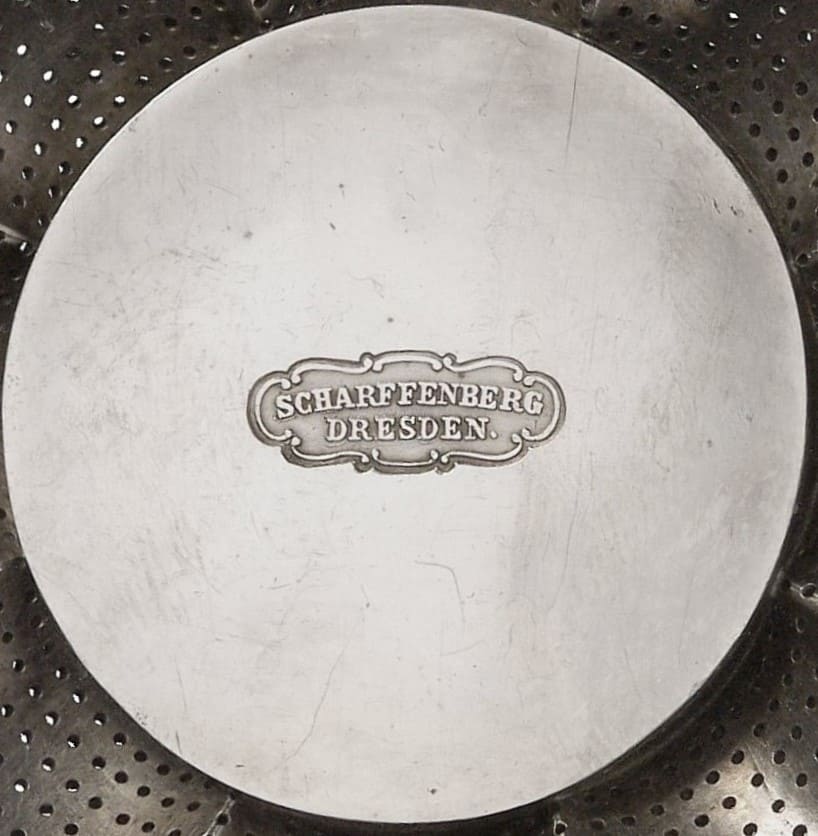
Early maker's mark of Scharffenberg workshop that was in use between 1850s and 1874.
João Carlos Gregório Domingos Vicente Francisco de Saldanha Oliveira e Daun, 1st Duke, 1st Marquis, 1st Count, and Marshal of Saldanha (1790–1876), was one of the most important Portuguese statesmen, who significantly influenced the destiny of the country and the royal house for over half a century.
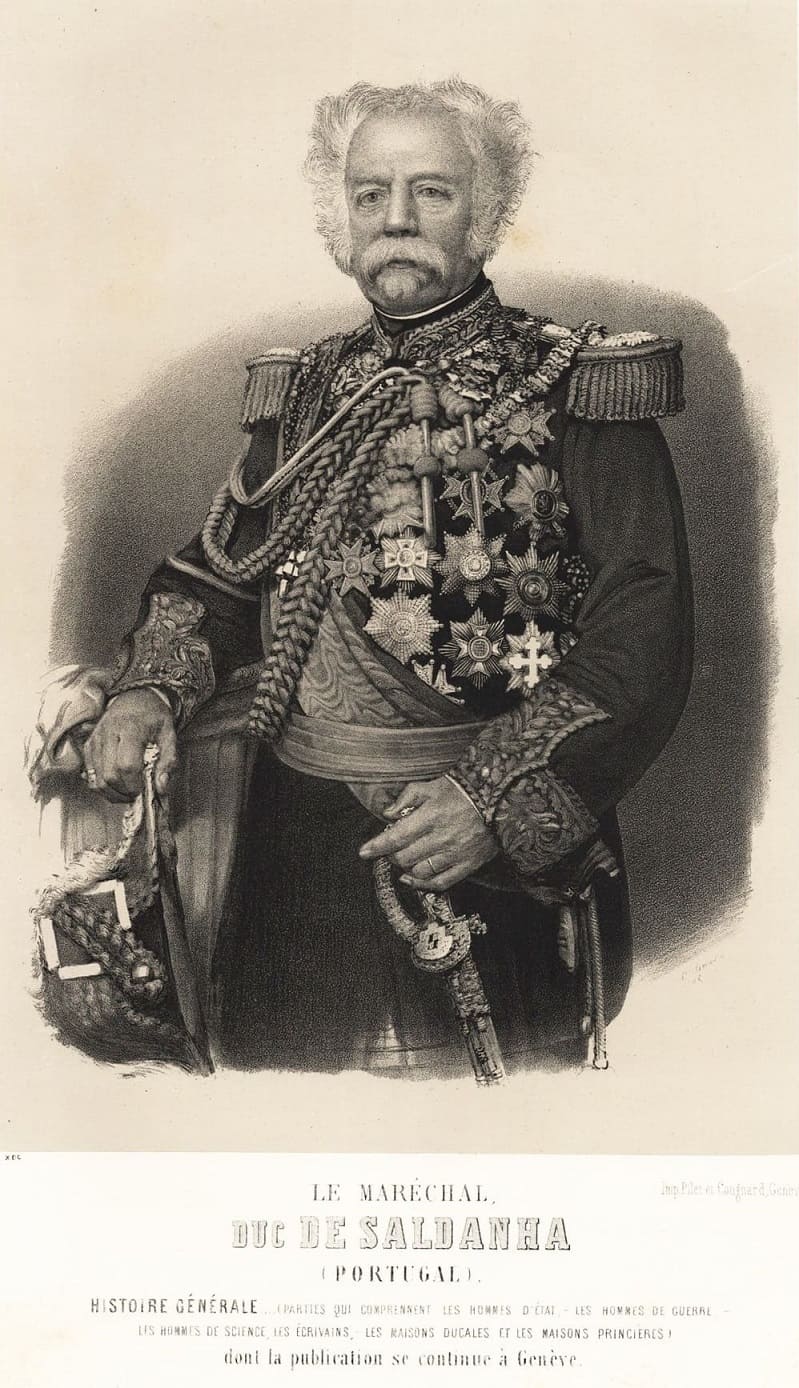
He was born on November 17, 1790, in Azinhaga, the ninth son of João Vicente de Saldanha Oliveira e Sousa Juzarte Figueira, 1st Count of Rio Maior (1746–1804), and his wife Maria Amália de Carvalho e Daun, daughter of the Marquis of Pombal. Initially a participant in the Wars of Independence, he served in Brazil from 1815 as commander of the Brazilian troops in the conflict with the Spanish Viceroyalty of Rio de la Plata (later Argentina) over the territory of what would become Uruguay. In 1817, he captured Montevideo, which led to his promotion to general the following year at the young age of 28.
Initially a participant in the Wars of Independence, he served in Brazil from 1815 as commander of the Brazilian troops in the conflict with the Spanish Viceroyalty of Rio de la Plata (later Argentina) over possession of the territory of what would become Uruguay. Following Brazil's declaration of independence from Portugal and the proclamation of the country as an empire by Pedro I (1798–1834, reigned as Emperor of Brazil from 1822 and also as King of Portugal from 1826), Saldanha returned to Portugal. There, he actively participated in the Portuguese Civil War of 1828–1834 and in the subsequent internal political conflicts of the highly unstable country. He served as Minister of State in 1835, from 1846 to 1849, from 1851 to 1856, and finally as President of the Council of Ministers (Prime Minister) in 1870. He also served his country on several occasions as ambassador and as Grand Marshal to King Ferdinand II. In this capacity, he played a key role in the negotiations for the marriage of Prince George of Saxony to Infanta Maria Anna.
Diamond-cut breast star. that was awarded on May 11, 1859, to the Portuguese statesman and Lord Chamberlain to the King of Portugal, João de Saldanha Oliveira e Daun, Duke of Saldanha (1790–1876). On the occasion of the wedding of Prince George of Saxony (1832–1904, reigned from 1902), third son of King John of Saxony (1801–1873, reigned from 1854) and his wife Amalie, née Princess of Bavaria (1801–1877), to Infanta Maria Anna of Portugal, Princess of Braganza and Saxe-Coburg and Gotha (1843–1884), third daughter of Queen Maria II da Glória of Portugal (1819–1853, reigned from 1826 to 1828 and again from 1834) and her husband King Ferdinand II, née Prince of Saxe-Coburg and Gotha (1816–1885), on 11 May 1859 in Lisbon, the Saxon court commissioned three specially designed breast stars (with brilliant-cut rays instead of the usual smooth ones).
Silver, gold, enamel.
Size 81.9 x 81.8 mm.
Providentiаe memor = Mindful of Providence.
Early maker's mark of Scharffenberg workshop that was in use between 1850s and 1874.
João Carlos Gregório Domingos Vicente Francisco de Saldanha Oliveira e Daun, 1st Duke, 1st Marquis, 1st Count, and Marshal of Saldanha (1790–1876), was one of the most important Portuguese statesmen, who significantly influenced the destiny of the country and the royal house for over half a century.
He was born on November 17, 1790, in Azinhaga, the ninth son of João Vicente de Saldanha Oliveira e Sousa Juzarte Figueira, 1st Count of Rio Maior (1746–1804), and his wife Maria Amália de Carvalho e Daun, daughter of the Marquis of Pombal. Initially a participant in the Wars of Independence, he served in Brazil from 1815 as commander of the Brazilian troops in the conflict with the Spanish Viceroyalty of Rio de la Plata (later Argentina) over the territory of what would become Uruguay. In 1817, he captured Montevideo, which led to his promotion to general the following year at the young age of 28.
Initially a participant in the Wars of Independence, he served in Brazil from 1815 as commander of the Brazilian troops in the conflict with the Spanish Viceroyalty of Rio de la Plata (later Argentina) over possession of the territory of what would become Uruguay. Following Brazil's declaration of independence from Portugal and the proclamation of the country as an empire by Pedro I (1798–1834, reigned as Emperor of Brazil from 1822 and also as King of Portugal from 1826), Saldanha returned to Portugal. There, he actively participated in the Portuguese Civil War of 1828–1834 and in the subsequent internal political conflicts of the highly unstable country. He served as Minister of State in 1835, from 1846 to 1849, from 1851 to 1856, and finally as President of the Council of Ministers (Prime Minister) in 1870. He also served his country on several occasions as ambassador and as Grand Marshal to King Ferdinand II. In this capacity, he played a key role in the negotiations for the marriage of Prince George of Saxony to Infanta Maria Anna.